Creating Personalized Deeds in Arizona: A Guide to Customized Deeds Preparation
When dealing with real estate or estate planning, having the right legal documents is essential. One such document is a deed, which transfers ownership of property. In Arizona, creating personalized deeds can help ensure that property ownership is clearly defined and tailored to individual needs. This article explains the process of customized deeds preparation, the types of deeds available, and practical steps to transfer property ownership effectively.
Understanding Customized Deeds Preparation in Arizona
Customized deeds preparation involves drafting a deed that reflects the specific intentions and circumstances of the property owner. Unlike generic deeds, personalized deeds address unique situations such as joint ownership, trusts, or special conditions for transfer.
In Arizona, several types of deeds are commonly used:
Warranty Deed: Guarantees clear title and protects the buyer against claims.
Quitclaim Deed: Transfers any interest the grantor has without warranties.
Special Warranty Deeds: Assures the current owner's title ownership but does not extend to previous owners, unlike a Warranty Deed.
Different types of deeds are used for various purposes. Customizing deed preparation ensures that the deed aligns with the legal and personal needs of the parties involved. For instance, when a family transfers property to their children, they might opt for a Special Warranty deed to streamline the process. In contrast, a Warranty deed is typically used in sales to unrelated parties for added protection.
Proper preparation involves verifying the legal description of the property, identifying all parties correctly, and including any special provisions. This reduces the risk of disputes or errors that could affect ownership rights.

Key Elements in Personalized Deeds Arizona
Creating personalized deeds in Arizona requires attention to several critical elements:
Accurate Property Description: The deed must include a precise legal description of the property, not just the address. This can be found in the county recorder’s office or previous deeds.
Correct Identification of Parties: The grantor (current owner) and grantee (new owner) must be clearly named with full legal names and marital status.
Type of Ownership: Specify how the property will be held, such as joint tenancy, tenancy in common, or community property.
Consideration Clause: This states what is being exchanged, often a nominal amount like $10, or it may state “for love and affection” in family transfers.
Signatures and Notarization: For the deed to be valid, it must be signed by the grantor and notarized, and in certain situations, the grantee may also need to sign, depending on the ownership arrangement.
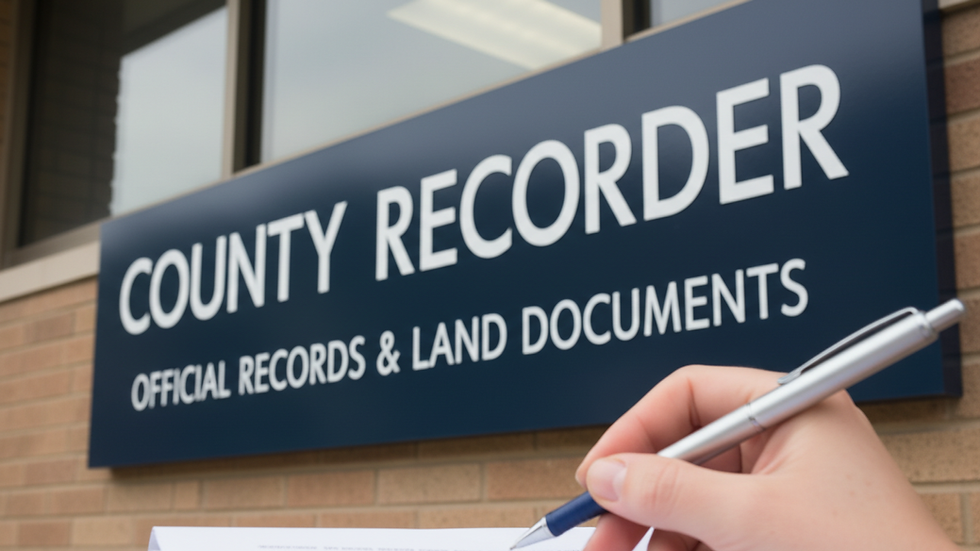
Recording the Deed: Once signed, the deed needs to be filed with the county recorder’s office to officially complete the transfer.
Using a professional service for personalized deeds in Arizona can help ensure these elements are correctly included. This reduces the chance of errors that could delay or invalidate the transfer.
How to Get Property Transferred in Your Name in Arizona if Your Parent Dies?
When a parent passes away, transferring property ownership to heirs involves specific legal steps. In Arizona, the process depends on whether the property was held jointly or solely by the deceased.
If the property was held jointly with right of survivorship, ownership automatically passes to the surviving joint owner without probate.
If the property was exclusively in the parent's name, it must undergo probate unless it was placed in a trust or via a Beneficiary deed recorded before death.
To transfer property after a parent’s death:
Obtain the Death Certificate: This is required for all legal processes.
Review the Will or Trust: Determine if the property is addressed in estate planning documents.
File for Probate if Necessary: Probate is the court process to validate the will and authorize property transfer.
Prepare an Affidavit of Succession or Personal Representative’s Deed: These documents transfer title to heirs.
Record the New Deed: Submit the deed to the county recorder’s office to update ownership records.
It is advisable to consult with a legal professional experienced in estate planning and real estate to navigate this process smoothly.
Benefits of Using Customized Deeds Preparation Services
Opting for customized deeds preparation services offers several advantages:
Accuracy: Professionals ensure all legal requirements are met, reducing errors.
Tailored Solutions: Deeds can be customized to fit complex ownership structures or special conditions.
Time Savings: Avoid delays caused by incorrect or incomplete documents.
Peace of Mind: Knowing the deed is properly prepared and recorded protects your property rights.
Legal Compliance: Ensures adherence to Arizona state laws and local county requirements.
For individuals needing precise legal documents, these services provide a reliable way to handle real estate transactions and estate planning efficiently.
Practical Tips for Creating Personalized Deeds in Arizona
When preparing personalized deeds, consider the following practical tips:
Start Early: Begin the process well before any deadlines or planned transfers.
Gather All Necessary Information: Have property descriptions, identification details, and any relevant estate documents ready.
Use Professional Help: Engage a qualified legal document preparer or attorney to draft and review the deed.
Verify Recording Requirements: Each county may have specific rules for recording deeds; confirm these in advance.
Keep Copies: Maintain copies of all signed and recorded documents for your records.
Understand Tax Implications: Some transfers may trigger property or gift taxes; consult a tax advisor if needed.
Following these steps helps ensure a smooth and legally sound property transfer.
Final Thoughts on Customized Deeds Preparation
Creating personalized deeds in Arizona is a critical step in managing real estate and estate planning effectively. Customized deeds preparation allows for clear, accurate, and legally compliant documents that reflect individual circumstances. Whether transferring property within a family or selling to a third party, attention to detail and professional assistance can prevent future complications.
By understanding the types of deeds, the transfer process, and the benefits of tailored preparation, individuals can protect their property interests with confidence. For those seeking reliable and precise legal document preparation, partnering with experienced professionals ensures that every deed is crafted with meticulous care.
For more information on personalized deeds in Arizona, consider consulting a trusted service to guide you through the process.

Comments